Welcome to Wakelyns
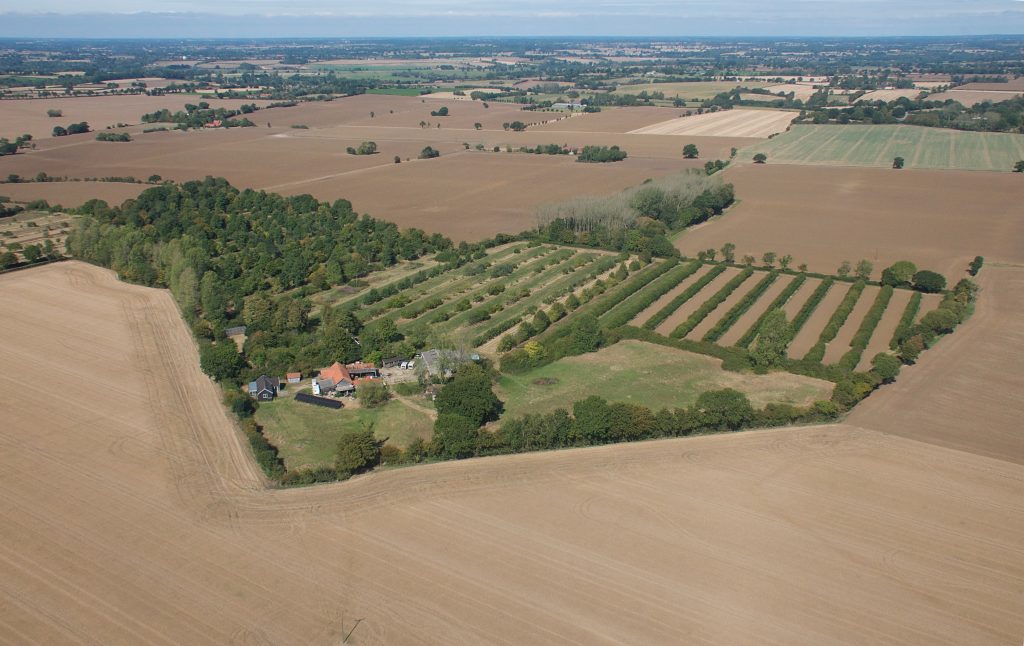
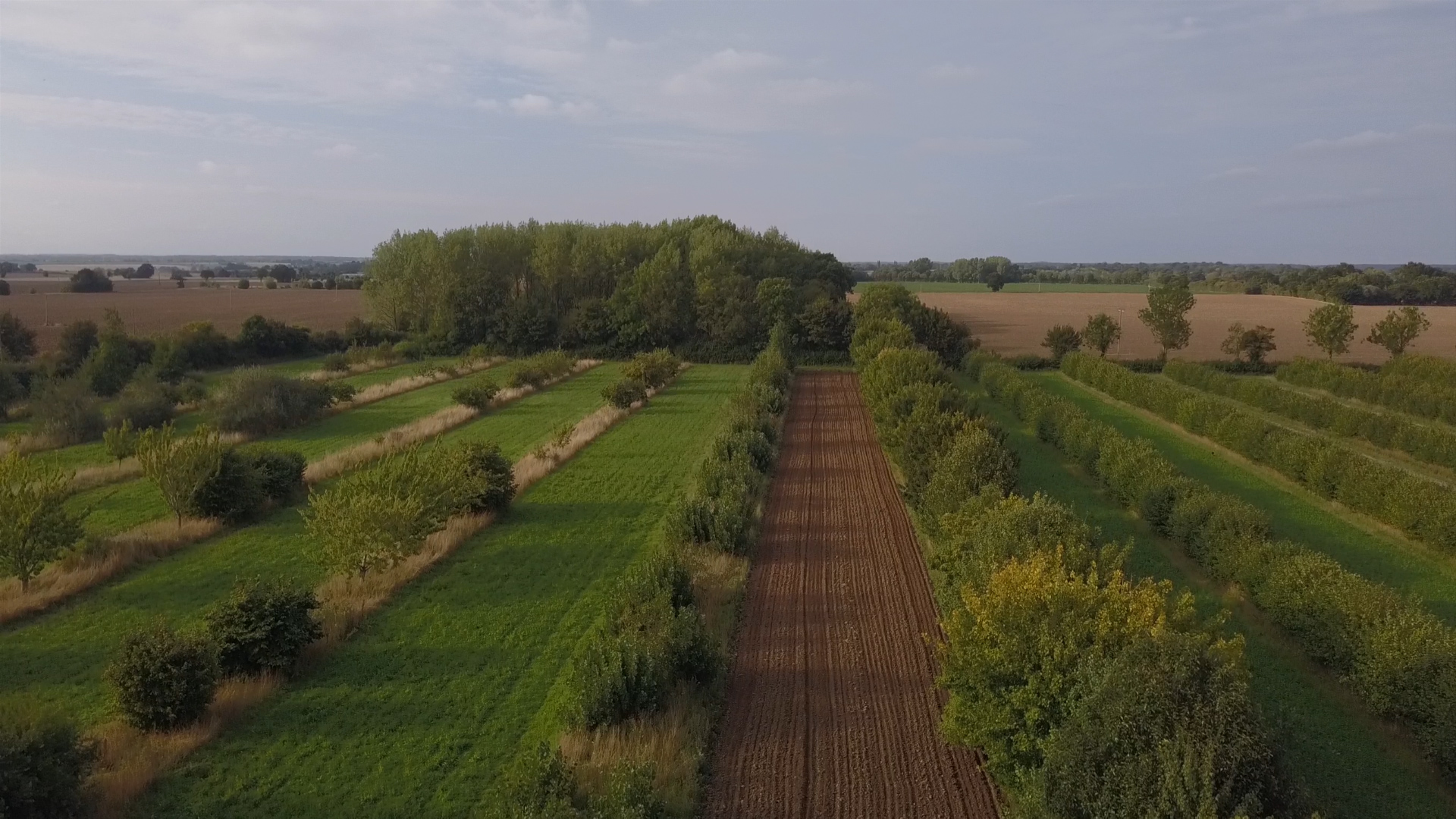
Organic farming, short food chains, enterprise stacking on one of the earliest, most diverse, agroforestry sites.
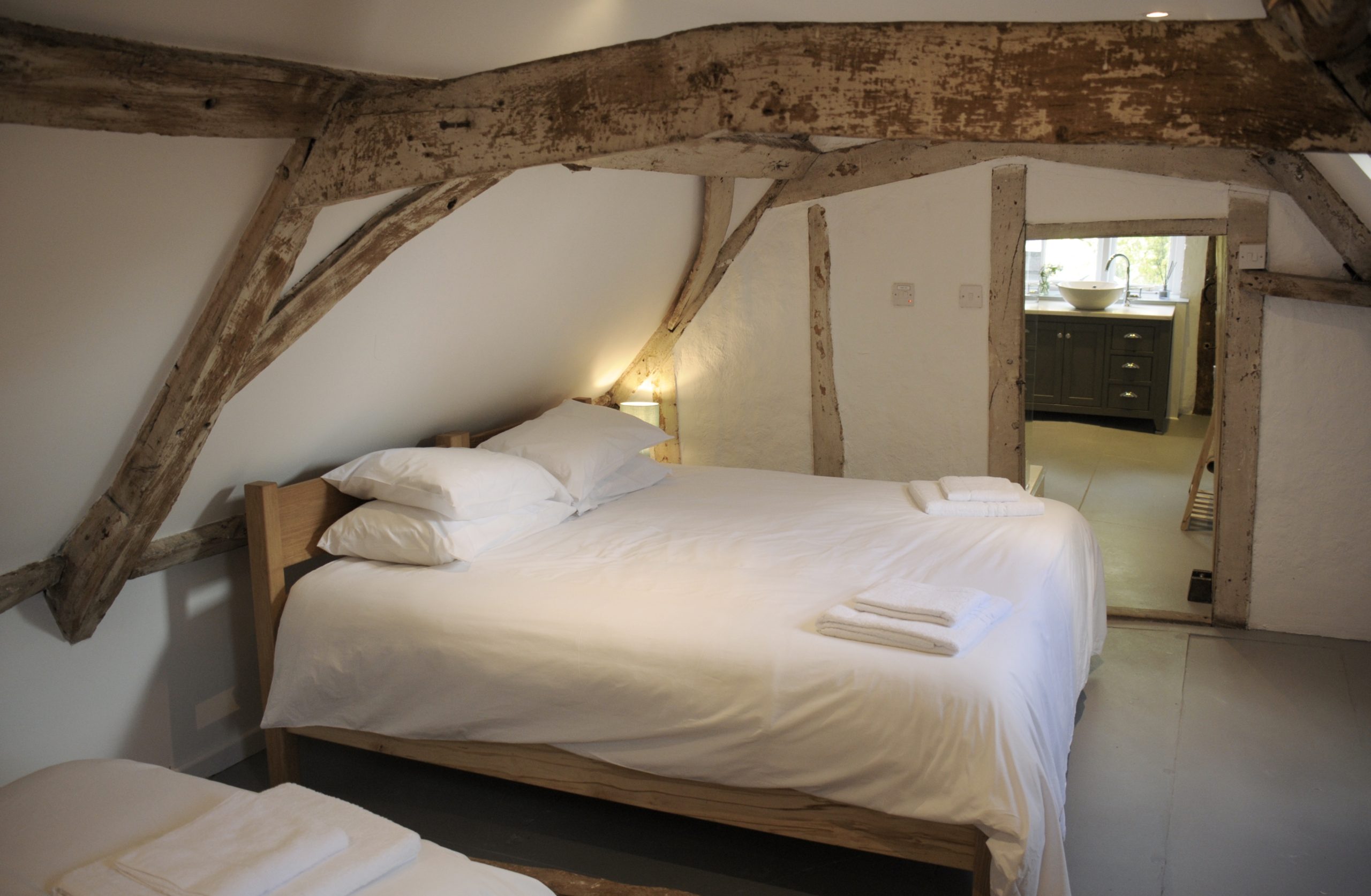
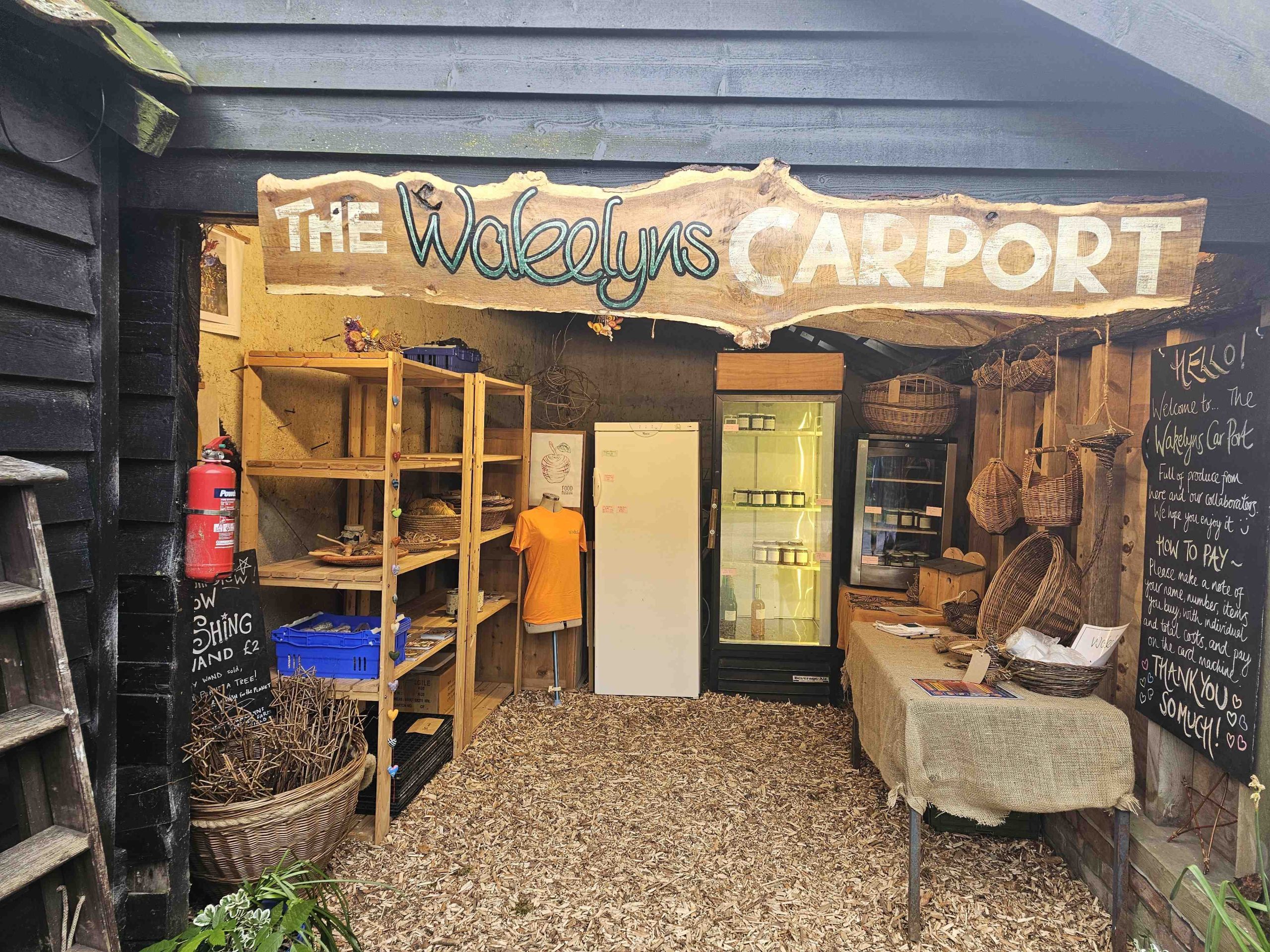
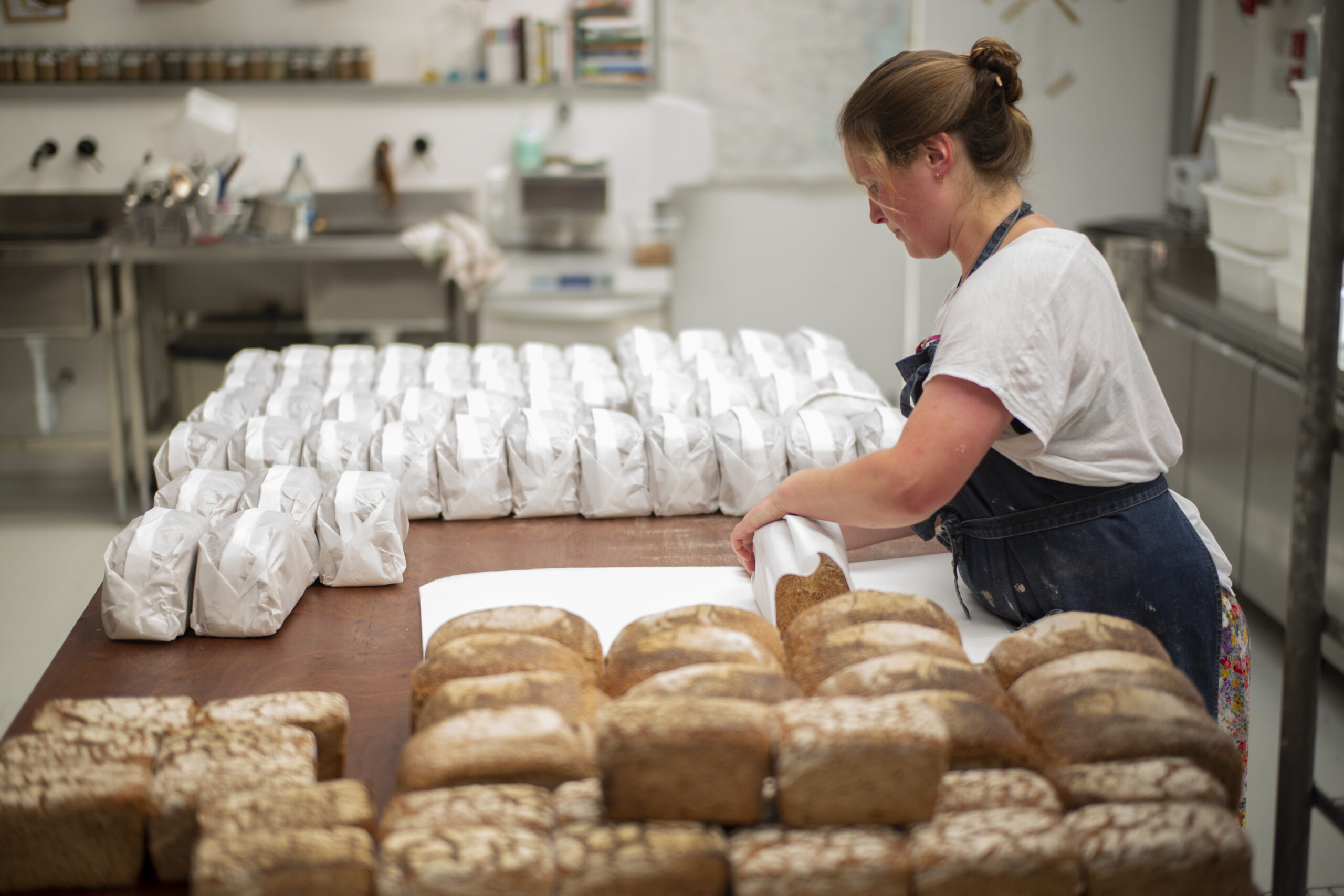
Courses, events, Wakelyns Bakery, holiday accommodation (and NGO retreats), horticulture, crafts, volunteer opportunities, and more
AN OASIS
We want our 23 hectares to provide the best produce and food; help tackle climate change and the nature crisis; and provide construction materials, crafts, energy, work, accommodation (including for visitors), learning, public access, community, inspiration and well-being
“Short [food] chains” – means that our food and other farming produce is cooked or crafted on site for eating and selling here or locally.
“Enterprise stacking” – means hosting small land-based business who collaborate to maximise the contribution to and from our 23 hectares.
How It Started – Next Generation – In The News – Newsletters
Join our contact list to get Wakelyns news
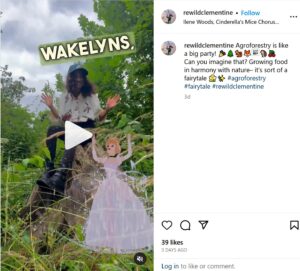 After visiting in Summer 2023 Mallorcan @rewildclementine made some super reels inspired by Wakelyns. Here's some of them - click on the links to play each video (with sound!):
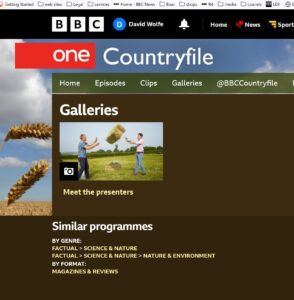 We were delighted to appear on BBC Countryfile in July 2023.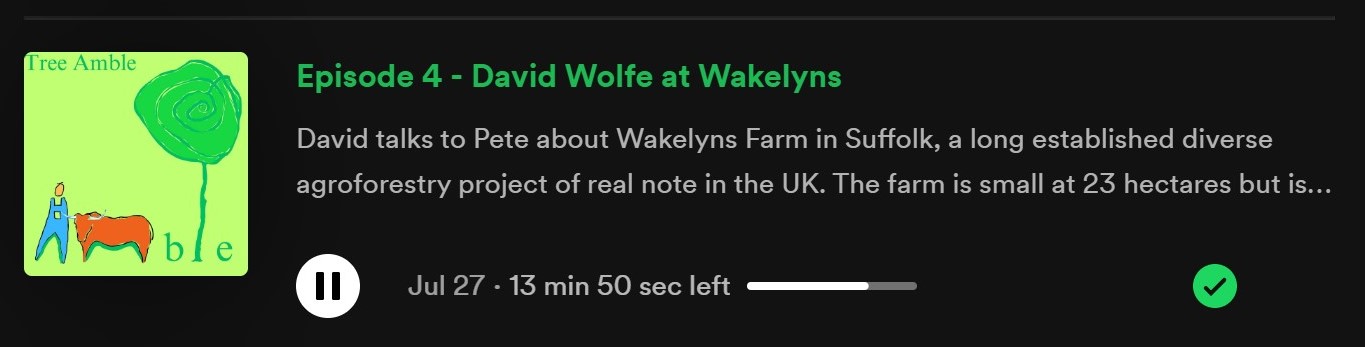
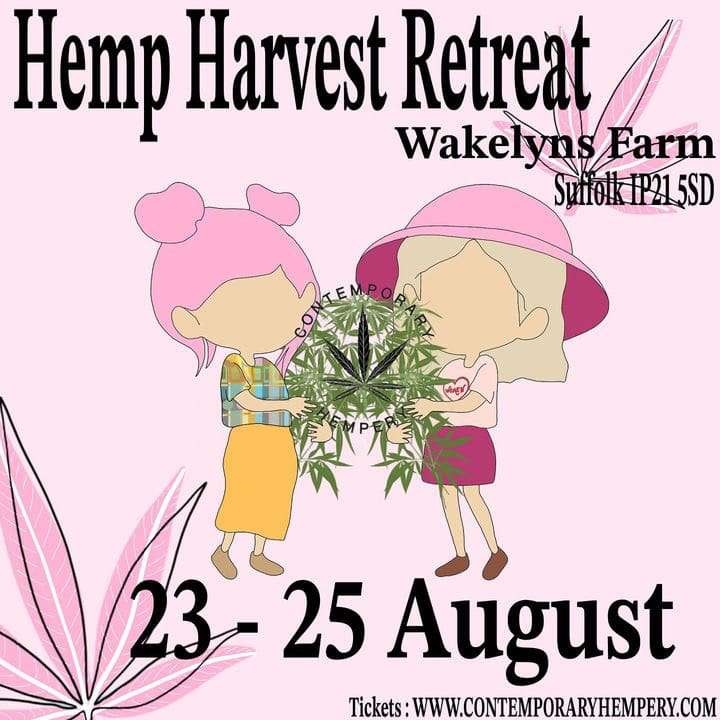
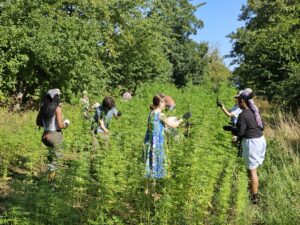 Many congratulations to Claire and Kitty from @contemporaryhempery for such a great weekend of hemp related activities and fun @wakelyns last weekend with their ‘Hemp Harvest Retreat’.
It was lovely to see so many people involved in harvesting and processing the hemp; and such great workshops, presentations and other events including a showing of Alan Brown’s super @nettledressfilm, a top performance on the Farmyard Stage from @burr_island_band and – new to the Wakelyns Barn – ‘hamster’ racing!
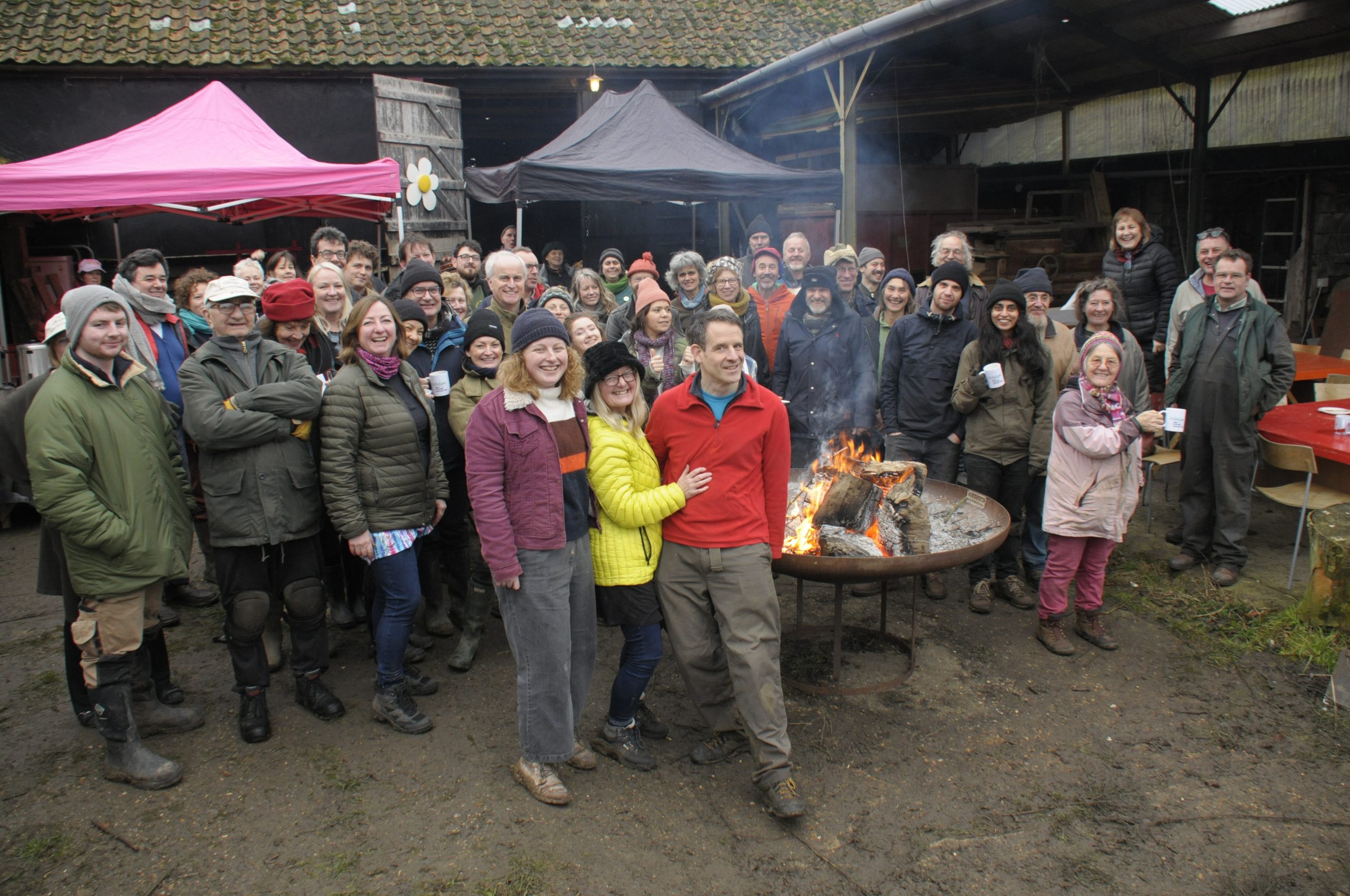
Wakelyns at its best: farming, food innovation, people and fun.
Many congratulations to Claire and Kitty from @contemporaryhempery for such a great weekend of hemp related activities and fun @wakelyns last weekend with their ‘Hemp Harvest Retreat’.
It was lovely to see so many people involved in harvesting and processing the hemp; and such great workshops, presentations and other events including a showing of Alan Brown’s super @nettledressfilm, a top performance on the Farmyard Stage from @burr_island_band and – new to the Wakelyns Barn – ‘hamster’ racing!
Wakelyns at its best: farming, food innovation, people and fun.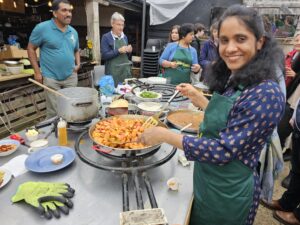 "I just wanted to express my gratitude to you for the most wonderful Dal Day on Saturday. You all pulled off a terrific event, fantastic atmosphere, wonderful music and really great information. It was all really inspiring. I really DO hope you will put it on again next year. I can imagine it was a huge amount of work to coordinate such an event, but I hope you all feel it was worth it for you. I will certainly come back if you do another event like this, but this time without small children, so I can concentrate on everything around me."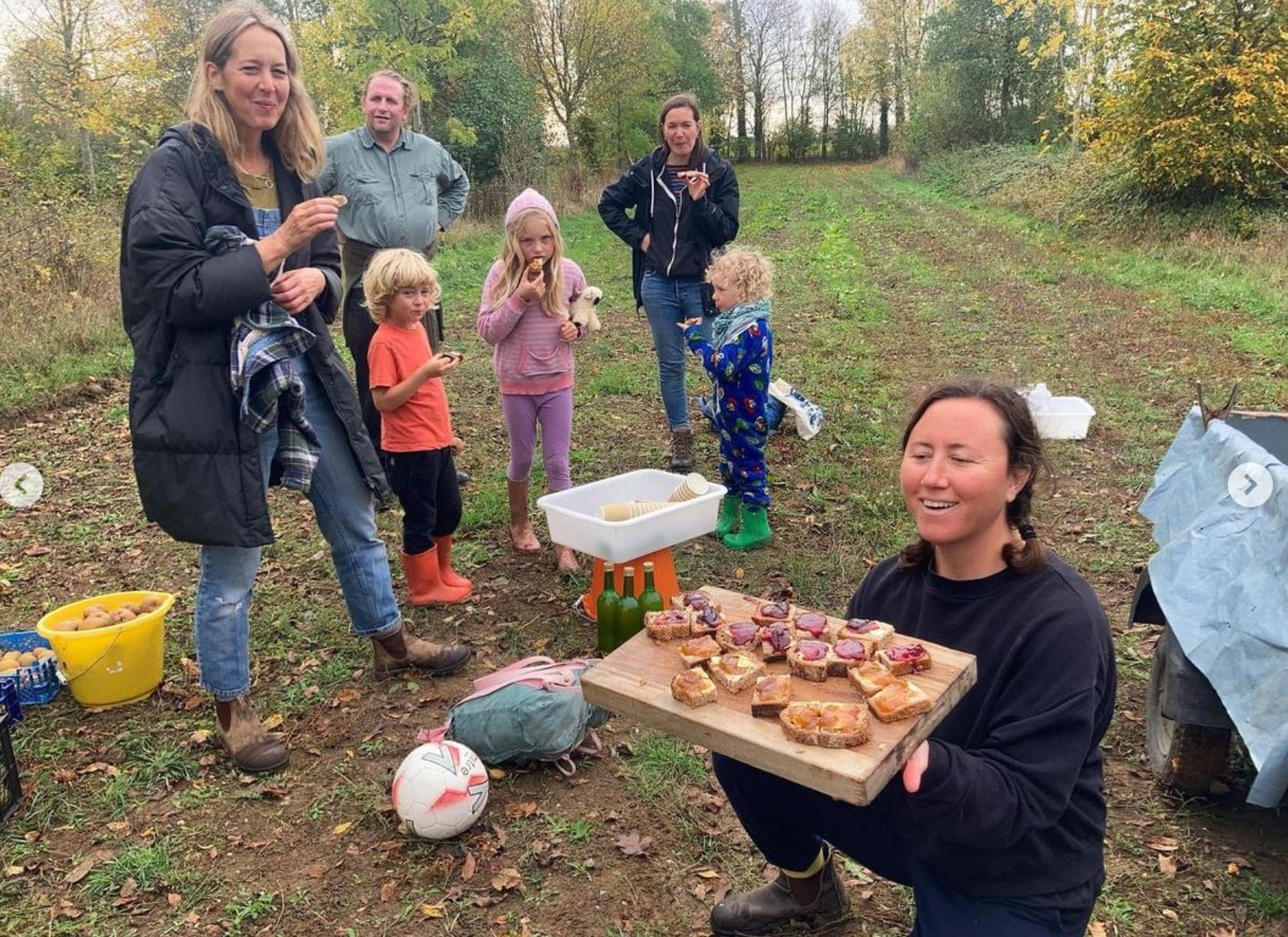
 Wakelyns featured on Radio 4's "On Your Farm"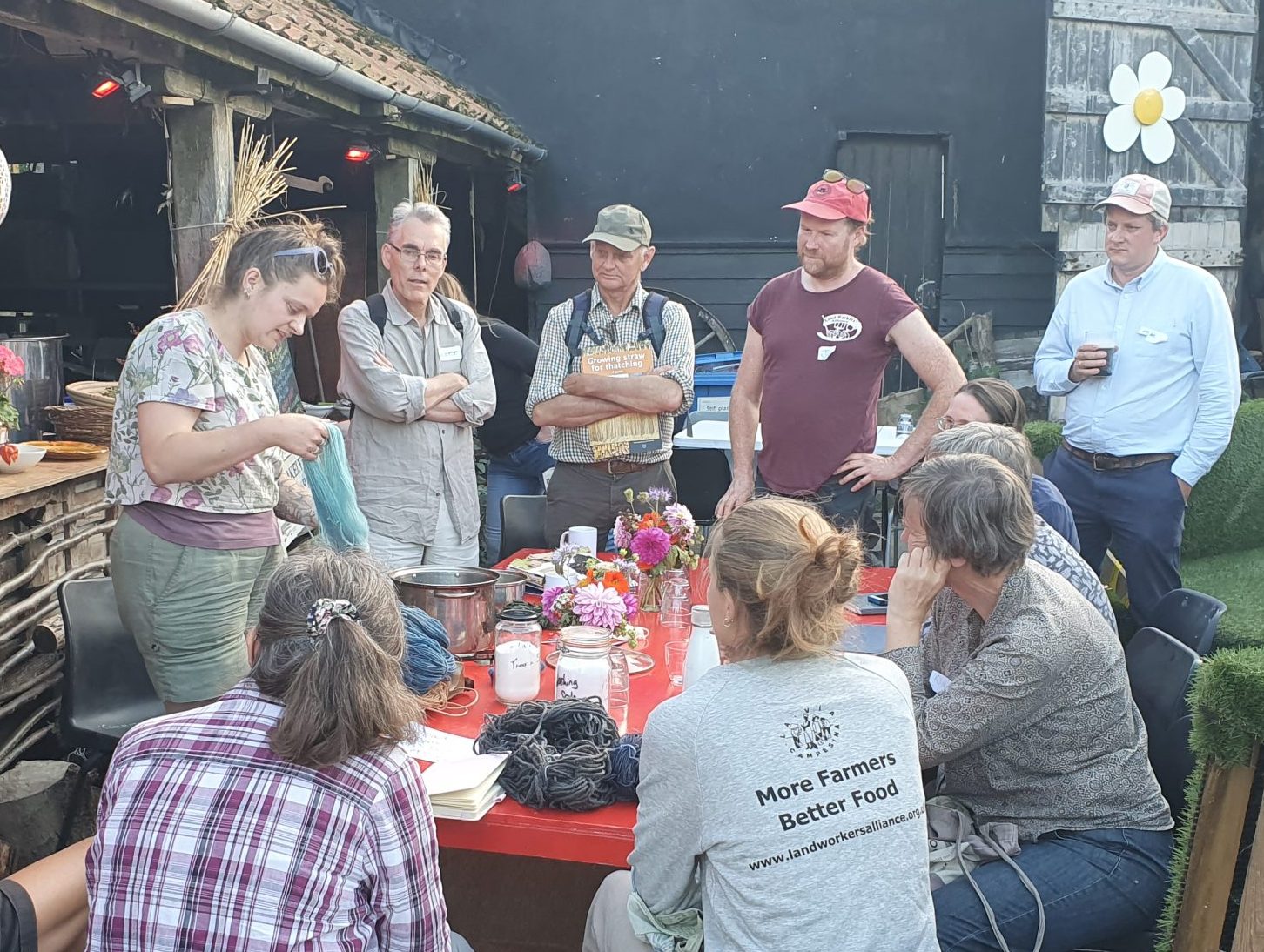
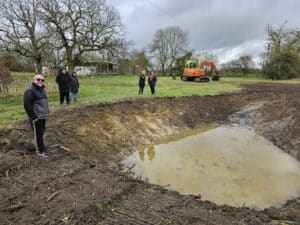 We've been working with Suffolk Wildlife Trust and the RSPB to create two more ponds and habitat to encourage and support great crested newts and turtle doves at Wakelyns.
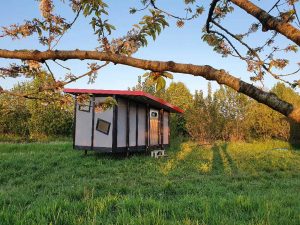 Relax and sleep in comfort in the midst of the Wakelyns organic agroforestry and enjoy everything that is going on at Wakelyns. Heated pods with double bed bunks (with lovely mattresses) H&C water, toilet, hob, fridge. Showers and 'summer kitchen' nearby.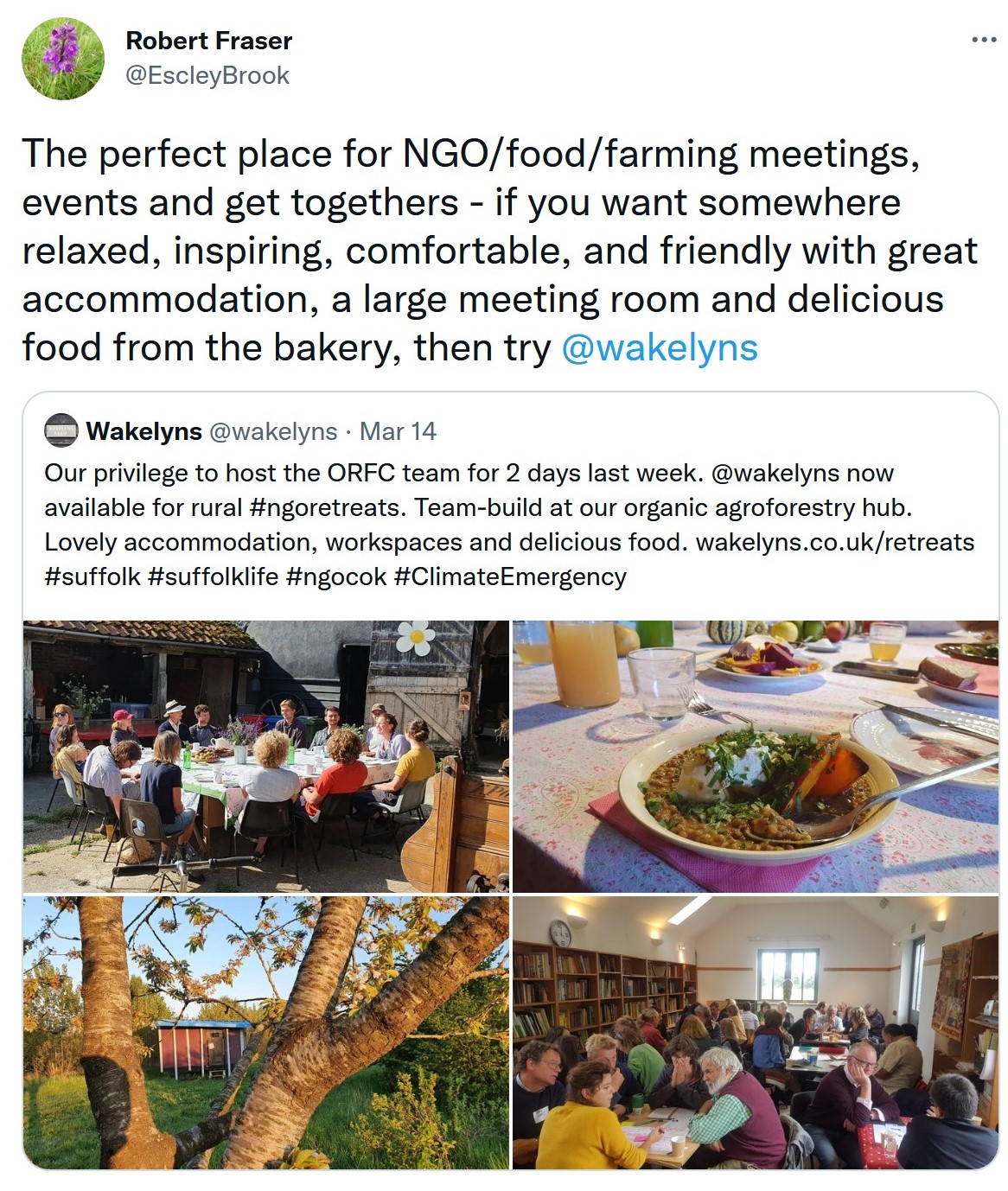
 We are delighted that Wakelyns features